

Defining your audience is an important step in creating a successful marketing strategy. By understanding who your customers are, you can create messages and offers that truly resonate with them. The following clear and straightforward guidelines will help you define your audience effectively.

What is the target audience?
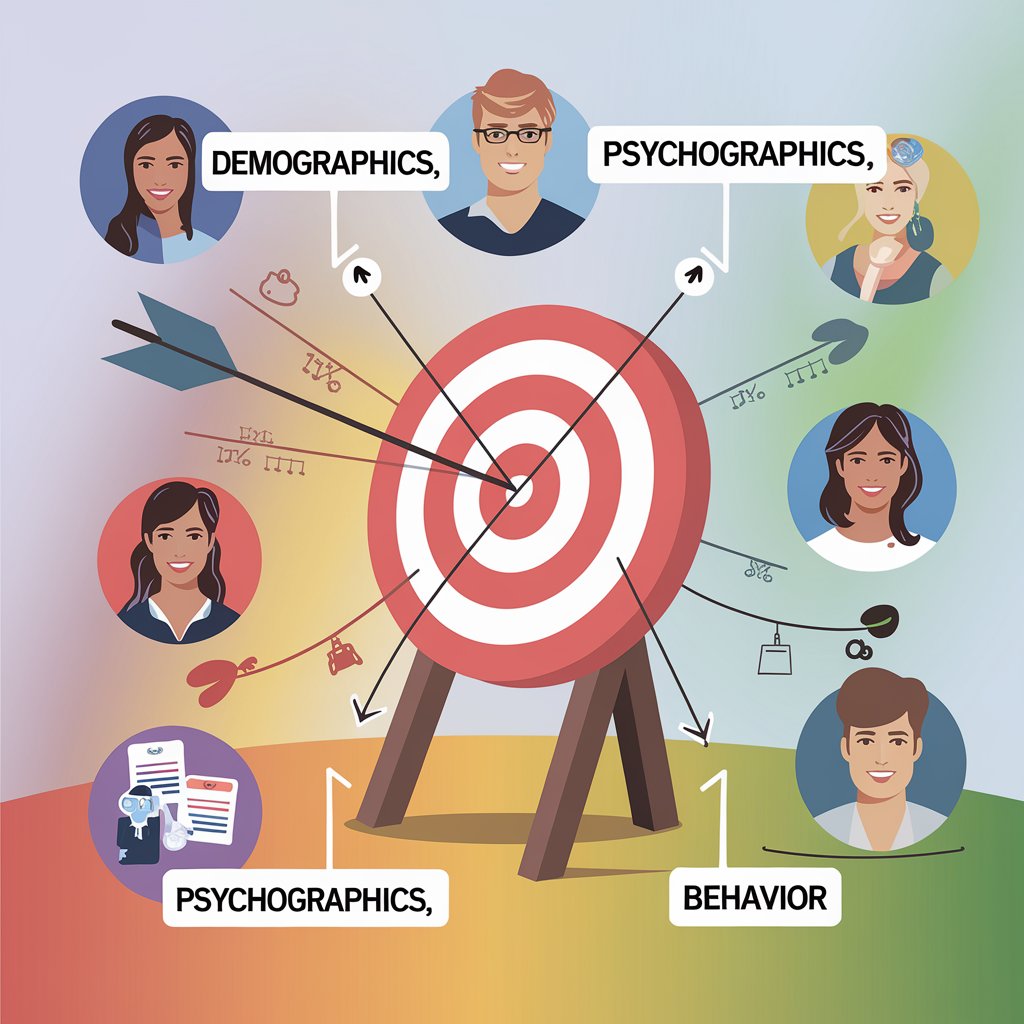
A target audience is a specific group of people who are interested in your product or service. These people have common characteristics such as:
- Demographic information: age, gender, location, education level, and income.
- Psychology: Interests, Values, and Ways of Life
- Behavior: Shopping behavior Brand loyalty and product use
When you specify these characteristics, You can design marketing campaigns that directly address their needs and desires.
Why is defining your public group important?
Understanding your audience helps you:
- Save the Heroes: Highlight the Canadian praise your audience uses most.
- Add or Participate: Create content tailored to your interests.
- Increase conversions: Deliver solutions that solve your unique problems.
For example, a small bakery increased sales by 30% in six months. This is thanks to a new generation of professionals who appreciate organic ingredients and unique flavors.

Steps to Find Your Targeted Audience
1. Analyze your current customers.
Start by reviewing your current customers. Identify common characteristics of your richest and wealthiest customers. References such as Google Analytics and social media insights can provide valuable information about:
- Identity and gender.
- Geographic.
- location Buying behavior.

2. Conduct Market Research
Market research helps you understand sector trends and customer needs.
- Research your customers to know more about their needs.
- Study your friends to see who they are.
- Use a forum like LowFruits or SEMrush to explore popular research terms.

3. Create customer personas
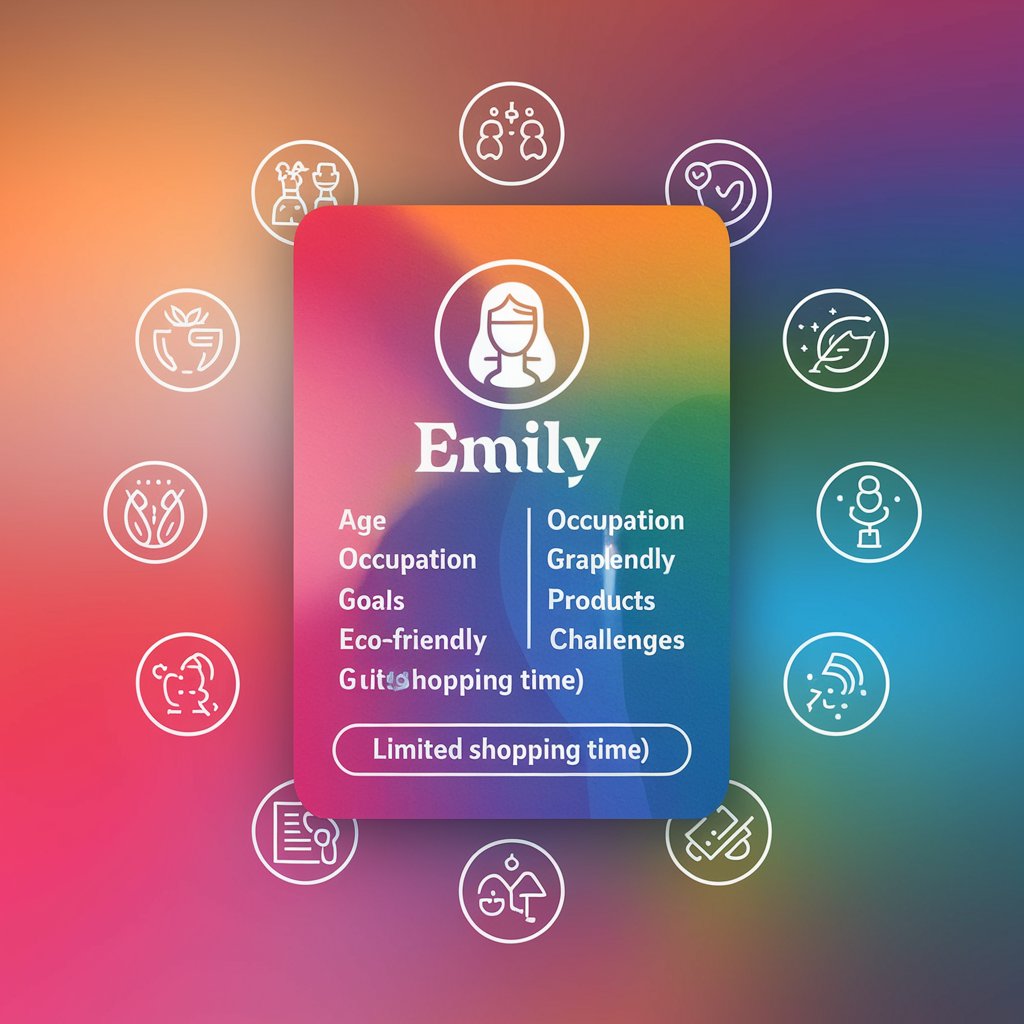
- Develop a detailed profile of your idea customers. Individuals may include: Name:Emily
- Occupation: Graphic designer
- Objective: Save time and find environmentally friendly and accessible products.
- Challenge: Limited time to research and purchase.
4. Segment your audience
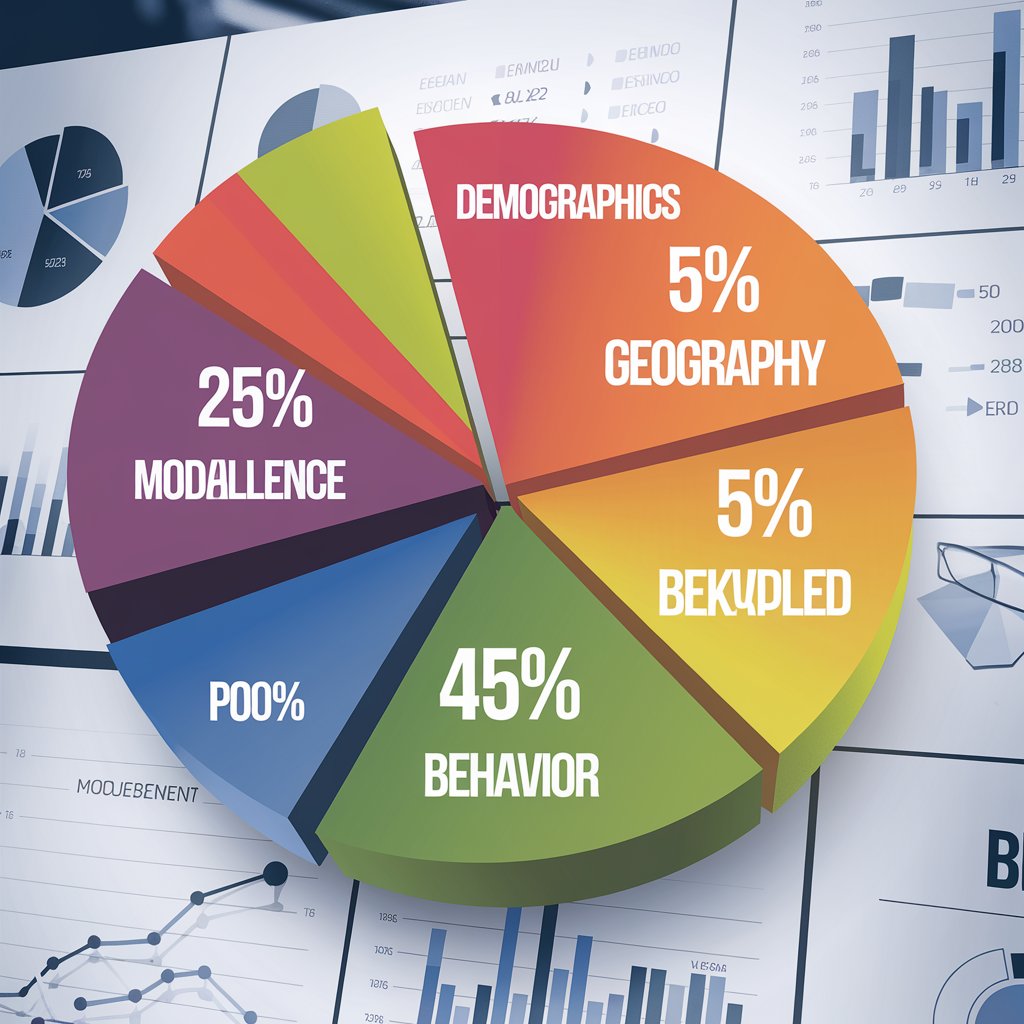
Divide the audience into small groups. according to common characteristics Common segmentation methods include:
- Demographic information: age, income, or education level
- Localization: The difference between urban and urban customers.
- Behavior: Buyers of Viagem Primeira vs. Regular Customers.
Netflix is a prime example of segmentation. They recommend content without the basis of viewing history. To ensure user participation.
5. Test and refine your approach.
Your audience can evolve over time. Continually test your strategy and adjust as needed. Use A/B testing to see if it’s having an impact and track metrics like:
- Engagement rates.
- Conversion rates.
- Customer feedback.

Real-world examples
Fitness brands discovered through research that their primary target audience was not professional athletes. But it’s a group of people who are busy searching for a short, efficient treadmill. to customize campaigns So they increased their topics by 40% within three months.

Conclusion
Defining your audience is essential to effective marketing. By understanding who your ideal customer is. You can create personal messages with impact. Allocate resources more efficiently and finally, It can manage better results for your business. It regularly reviews and updates its target groups according to evolving market conditions and consumer behavior. To maintain the effectiveness of marketing strategies.
Want more information and detailed instructions on how to define your audience? Please consider resources from WordStream, Sender, and the American Marketing Association.




Leave a comment
Your comment is awaiting moderation.
Your comment is awaiting moderation.
Your comment is awaiting moderation.
Your comment is awaiting moderation.
Your comment is awaiting moderation.
Your comment is awaiting moderation.
Your comment is awaiting moderation.
Your comment is awaiting moderation.
Your comment is awaiting moderation.
Your comment is awaiting moderation.
Your comment is awaiting moderation.
Your comment is awaiting moderation.
Your comment is awaiting moderation.
Your comment is awaiting moderation.
Your comment is awaiting moderation.
Your comment is awaiting moderation.
Your comment is awaiting moderation.
Your comment is awaiting moderation.
Your comment is awaiting moderation.
Your comment is awaiting moderation.
Your comment is awaiting moderation.
Your comment is awaiting moderation.
Your comment is awaiting moderation.
Your comment is awaiting moderation.
Your comment is awaiting moderation.
Your comment is awaiting moderation.
Your comment is awaiting moderation.
Your comment is awaiting moderation.
Your comment is awaiting moderation.
Your comment is awaiting moderation.
Your comment is awaiting moderation.
Your comment is awaiting moderation.
Your comment is awaiting moderation.
Your comment is awaiting moderation.
Your comment is awaiting moderation.
Your comment is awaiting moderation.
Your comment is awaiting moderation.
Your comment is awaiting moderation.
Your comment is awaiting moderation.
Your comment is awaiting moderation.
Your comment is awaiting moderation.
Your comment is awaiting moderation.
Your comment is awaiting moderation.
Your comment is awaiting moderation.
Your comment is awaiting moderation.
Your comment is awaiting moderation.
Your comment is awaiting moderation.
Your comment is awaiting moderation.
Your comment is awaiting moderation.
Your comment is awaiting moderation.