Artificial intelligence is one of the most discussed topics today. Many people are excited about its power while others are afraid that it might take their jobs. In the world of marketing the same question comes again and again. Will AI replace digital marketing in the future?
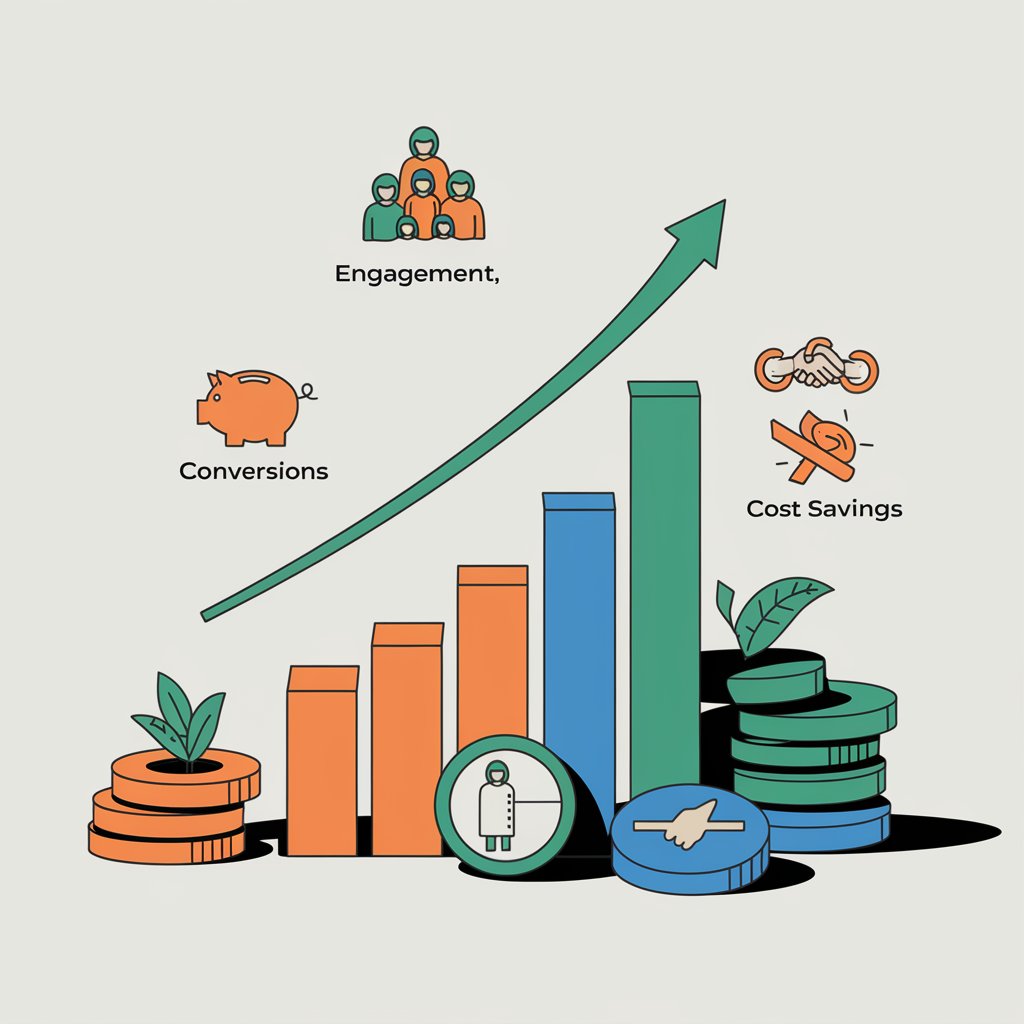
The truth is that AI is already part of digital marketing. We see it in ad platforms that decide which audience to target. We see it in tools that write product descriptions and suggest keywords. Chatbots answer customer questions all day without getting tired. Analytics platforms use AI to study data and predict which campaign will perform better. AI has become a strong helper that can save time and money.
Still there are some areas where AI cannot replace humans. Marketing is not only about showing ads or writing text. Marketing is about human emotions. It is about creating trust and telling stories that people remember. A machine can generate words but it does not feel the culture or the mood of an audience. It cannot fully understand the emotions that make people buy or believe in a brand.
Another reason why AI cannot take over completely is strategy. A digital marketer does not only write posts or run ads. They design a vision for the brand and plan long term goals. They make ethical decisions about customer privacy and brand values. These choices need human thinking. Machines can give information but they cannot make wise decisions in the same way.
So what does the future look like. AI will not replace digital marketers but it will change their role. Tasks that take time such as research, keyword analysis, and data reports will be done faster by AI. This will give marketers more space to focus on creative ideas and strategy. In simple words AI will take care of the heavy work while humans guide the direction.
For anyone learning or working in digital marketing this is not a threat but an opportunity. If you learn how to use AI tools you will become more productive. You will be able to create more content, test more campaigns, and understand data more clearly. The key is to combine AI support with your own creativity. Storytelling, problem solving, and building trust are still human strengths.
The answer is simple. Digital marketing will not be replaced by AI. Instead it will grow with AI. The marketers who adapt will have more success while those who ignore it may fall behind. In the end AI will not take your place. It will become your partner. marketing will not end because of AI. Instead it will become stronger with the mix of human ideas and smart tools.
Defining your audience is an important step in creating a successful marketing strategy. By understanding who your customers are, you can create messages and offers that truly resonate with them. The following clear and straightforward guidelines will help you define your audience effectively.
What is the target audience?
A target audience is a specific group of people who are interested in your product or service. These people have common characteristics such as:
Demographic information: age, gender, location, education level, and income.
Psychology: Interests, Values, and Ways of Life
Behavior: Shopping behavior Brand loyalty and product use
When you specify these characteristics, You can design marketing campaigns that directly address their needs and desires.
Why is defining your public group important?
Understanding your audience helps you:
Save the Heroes: Highlight the Canadian praise your audience uses most.
Add or Participate:Create content tailored to your interests.
Increase conversions: Deliver solutions that solve your unique problems.
For example, a small bakery increased sales by 30% in six months. This is thanks to a new generation of professionals who appreciate organic ingredients and unique flavors.
Steps to Find Your Targeted Audience
1. Analyze your current customers.
Start by reviewing your current customers. Identify common characteristics of your richest and wealthiest customers. References such as Google Analytics and social media insights can provide valuable information about:
Identity and gender.
Geographic.
location Buying behavior.
2. Conduct Market Research
Market research helps you understand sector trends and customer needs.
Research your customers to know more about their needs.
Study your friends to see who they are.
Use a forum like LowFruits or SEMrush to explore popular research terms.
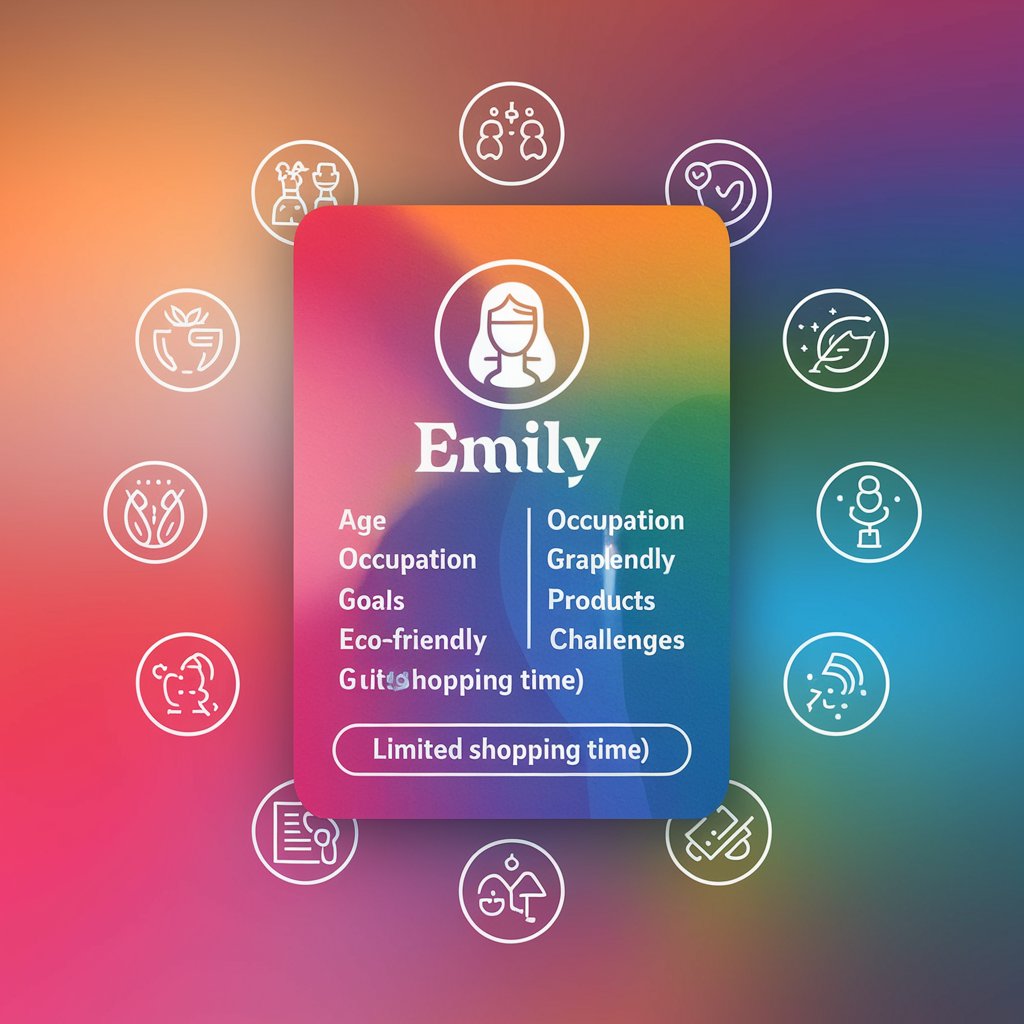
3. Create customer personas
Develop a detailed profile of your idea customers. Individuals may include: Name:Emily
Occupation: Graphic designer
Objective: Save time and find environmentally friendly and accessible products.
Challenge: Limited time to research and purchase.
4. Segment your audience
Divide the audience into small groups. according to common characteristics Common segmentation methods include:
Demographic information: age, income, or education level
Localization: The difference between urban and urban customers.
Behavior: Buyers of Viagem Primeira vs. Regular Customers.
Netflix is a prime example of segmentation. They recommend content without the basis of viewing history. To ensure user participation.
5. Test and refine your approach.
Your audience can evolve over time. Continually test your strategy and adjust as needed. Use A/B testing to see if it’s having an impact and track metrics like:
Engagement rates.
Conversion rates.
Customer feedback.
Real-world examples
Fitness brands discovered through research that their primary target audience was not professional athletes. But it’s a group of people who are busy searching for a short, efficient treadmill. to customize campaigns So they increased their topics by 40% within three months.
Conclusion
Defining your audience is essential to effective marketing. By understanding who your ideal customer is. You can create personal messages with impact. Allocate resources more efficiently and finally, It can manage better results for your business. It regularly reviews and updates its target groups according to evolving market conditions and consumer behavior. To maintain the effectiveness of marketing strategies.
Don’t stress if these worries are holding you back. Here’s how to get started (if you’re brand new to content creation).
47% of marketers struggle to create engaging content. Anyone can make it work, one small step at a time.
Why Does Content Creation Feel Hard?
Most people stop content advent because:
They don’t know where to begin.
They’re uncertain of a way to begin.
They try and address everything without delay.
In reality, studies display that 90% of blogs fail within six months due to inconsistency or lack of making plans.
By following a clear and simple process, you can overcome these challenges, avoid feeling stuck, and start creating content with confidence and ease.
Step-by-step instructions to make content creation easier.
1. How Do I Start Content Creation for Beginners?
Want to publish interesting content? You need to know who is talking to.
Example: Marcus Sheridan transformed his small pool business by answering specific questions from potential customers, such as “How much does a fiberglass pool cost?” This simple strategy generated $2.5 million in sales within two years.
What You Can Do:
Type 5 to 10 questions your audience might have.
Use search terms like AnswerThePublic or the “People Also Ask” section of Google to find related search terms.
You don’t need expensive software to create high-quality content.
2. What Is the First Step in Content Creation?
Recommended Tools:
Writing: Google Docs (free and simple).
Graphics: Canva (easy-to-use templates).
Scheduling: Buffer or Later.
Example: A little kid in Texas uses Canva to post his creative stories on Instagram. I’ll fulfill your order without hiring a graphic designer.
Professional Guide: Start with the free version of the furniture and update as needed.
3. Create content in batches
It saves a lot of time and helps you stay consistent.
Example: YouTube user creates 4 videos in one week Edit during the week and schedule for the month. The process has grown to 100,000 signatures per year.
What You Can Do:
Dedicate a day to discussing ideas.
Use the next day to expand and schedule your content.
Organize your ideas with furniture like Trello.
4. Personalize your content
Maximize your efforts by converting content into multiple formats.
Example: Neil Patel adapts blog posts into videos, infographics, podcast episodes, and social media posts. This approach allows him to reach a diverse audience with less effort.
What You Can Do:
Turn any blog post into an Instagram cart.
Edit video clips on TikToks or Reels.
Create an infographic from key points.
5. Use high-performing content formats
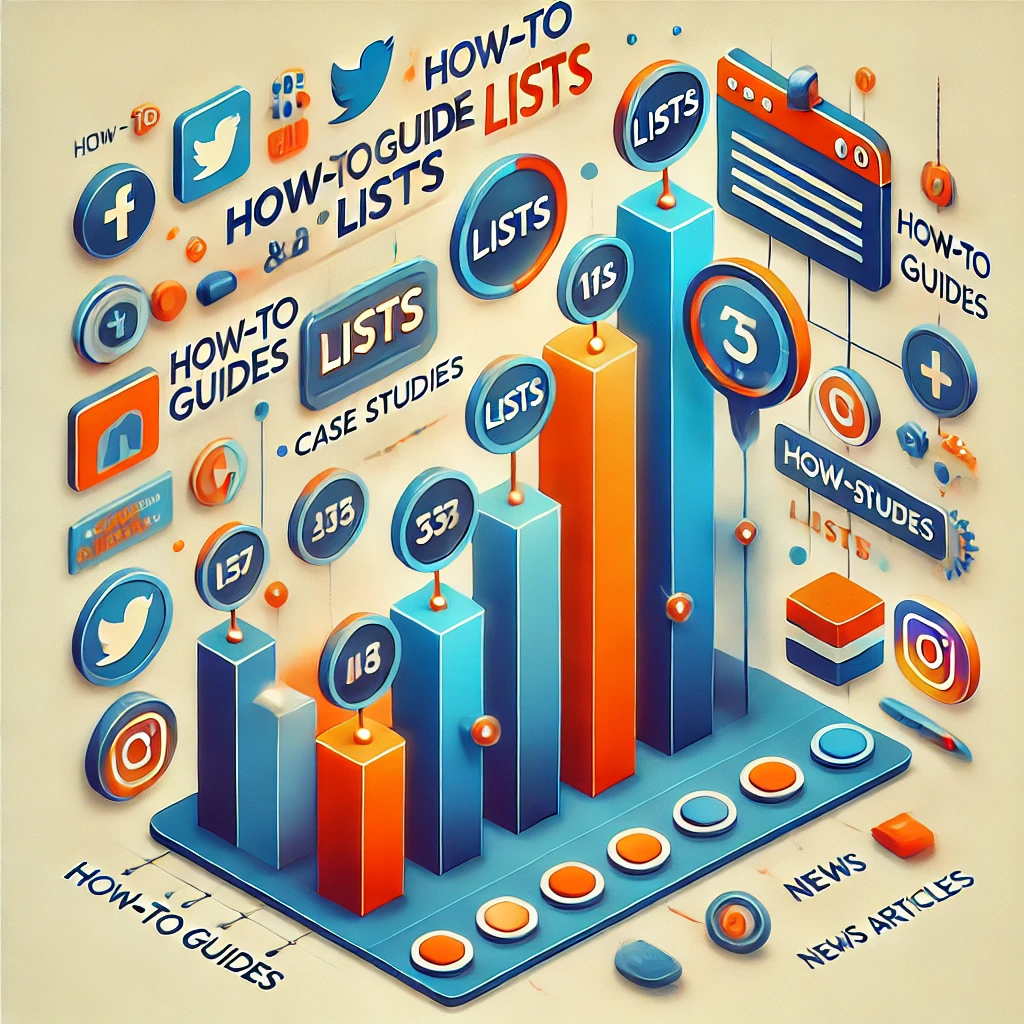
Some types of content perform consistently well:
How-to guides (e.g. “How to create a wraparound post on Instagram”)
List (e.g. “5 ferraments that were accurately counted by the breeder”)
Case studies (real-life success stories) Two post offices behind the stage
What You Can Do: Start with a simple how-to guide or a list this week.
6. Choose One or Two Platforms
Don’t spread yourself too thin. Focus on the platforms where your audience is most active.
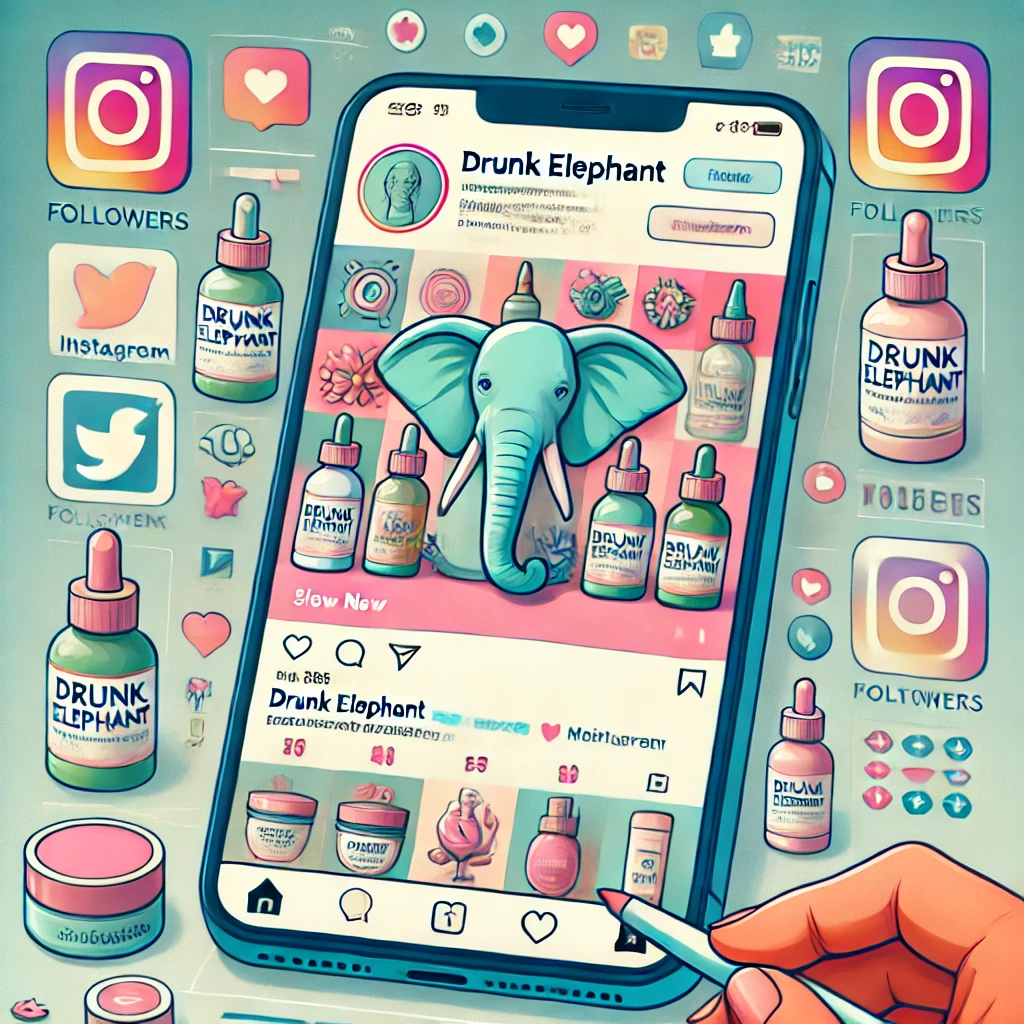
Example: Drunk Elephant, skin care brand It won many followers by focusing exclusively on Instagram before expanding to other kanas.
What You Can Do: Ask yourself: Where does my audience spend the most time? Start there and build a presence.
7. Monitor and Improve Performance
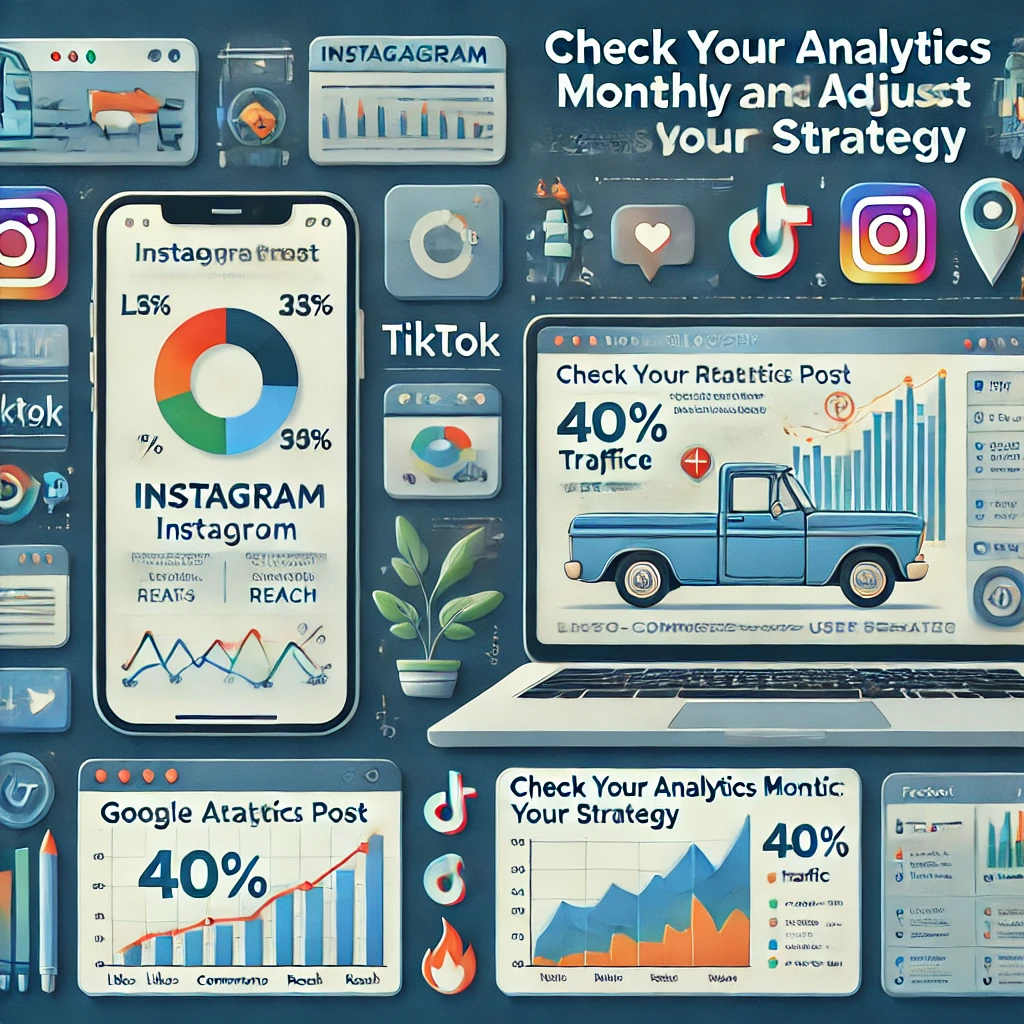
Tracking performance helps you understand what’s working and what’s not.
Tools to Use:
Social media insights: integrated analytics on Instagram, TikTok or Facebook.
Google Analytics: For blog traffic and user behavior.
Example: One travel blogger realized that her image-heavy posters were more engaging than text-heavy posters. By focusing our visual resources This resulted in a 40% increase in traffic in three months.
Pro Tip: Check your analytics monthly and adjust your strategy accordingly.
8. Accept Imperfection
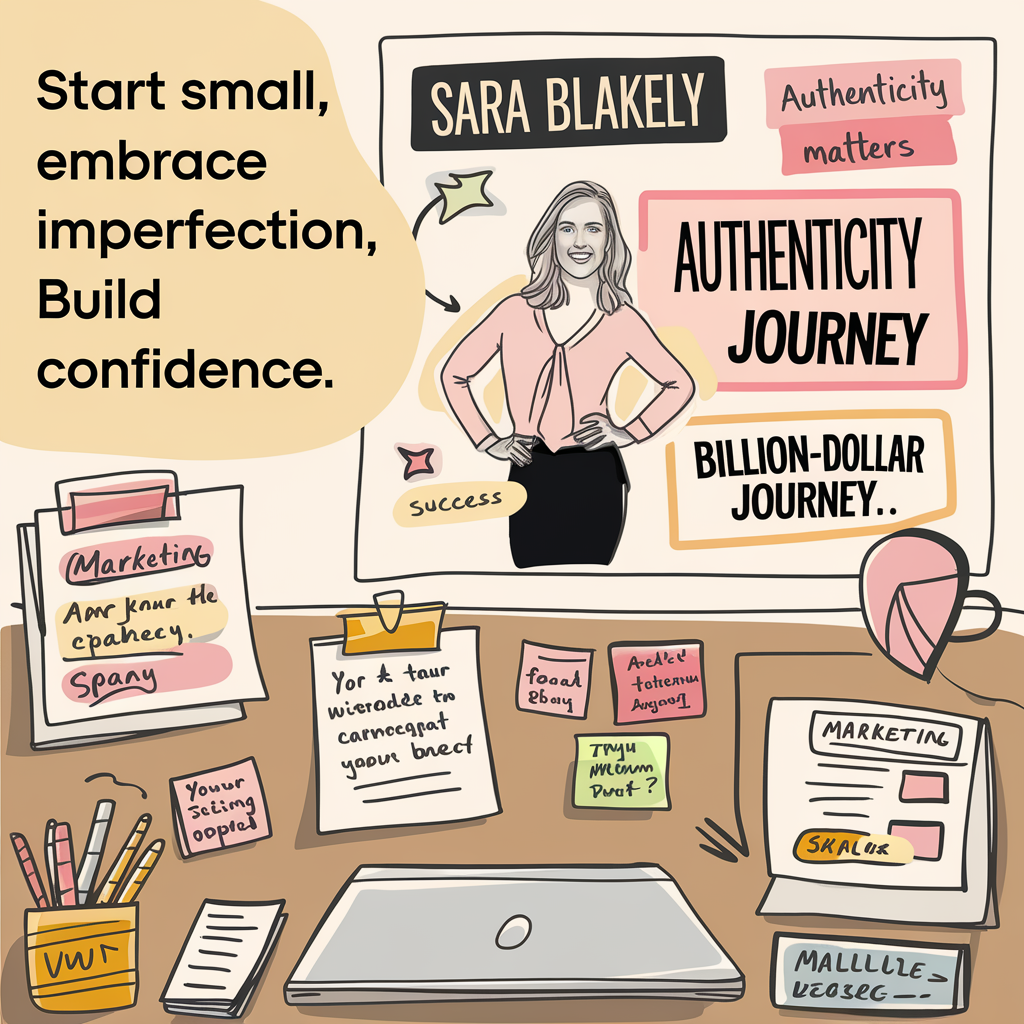
Perfectionism often prevents people from starting. Really? Better than perfect.
Example: Spanx founder Sara Blakely launched her brand with a basic marketing effort. Her authenticity resonated with people. And now her company is worth billions.
What You Can Do:
Treat your first 10 mailings as an exercise. Each person will develop their own skills and confidence.
9. The Benefits of Simple Content Creation
Follow this simple guideline:
You will feel less uncomfortable.
You will produce consistent content.
You’ll build a stronger relationship with your audience.
SEO Tips for Beginners
To increase visibility:
Use keywords naturally in your titles and headlines.
Example: Instead of “How to get started,” use “How to start creating content as a beginner.”.
Add alt text to images to improve accessibility and SEO.
Focus on long-tail keywords like “easy content creation tips for beginners.”
Get Started Today
Ask yourself a simple question. Here are three to get you started:
Who is my audience?
What is your principle or problem?
What platforms will you focus on first?
A short, consistent start will set you up for long-term success.
Remember: Creating content doesn’t have to be difficult. Simplify the process Focus on your audience and make the most of your time You got it!